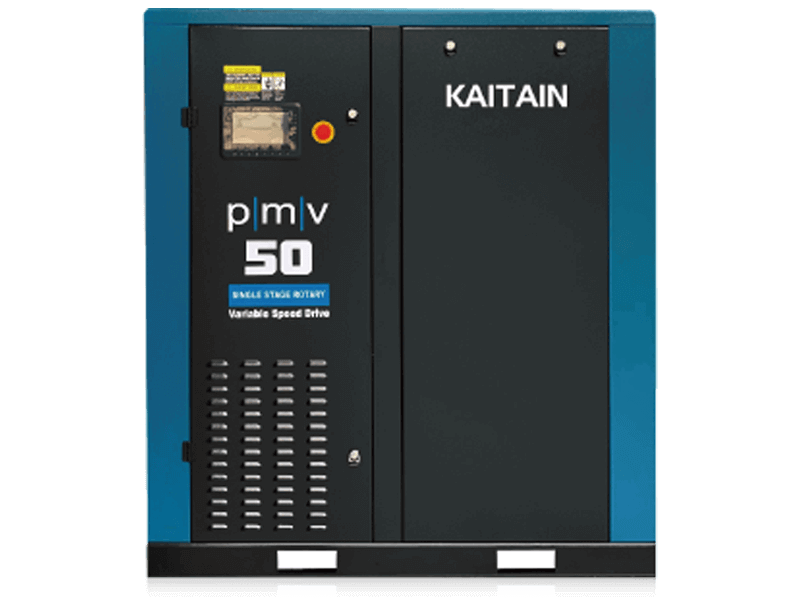
Air Compressor
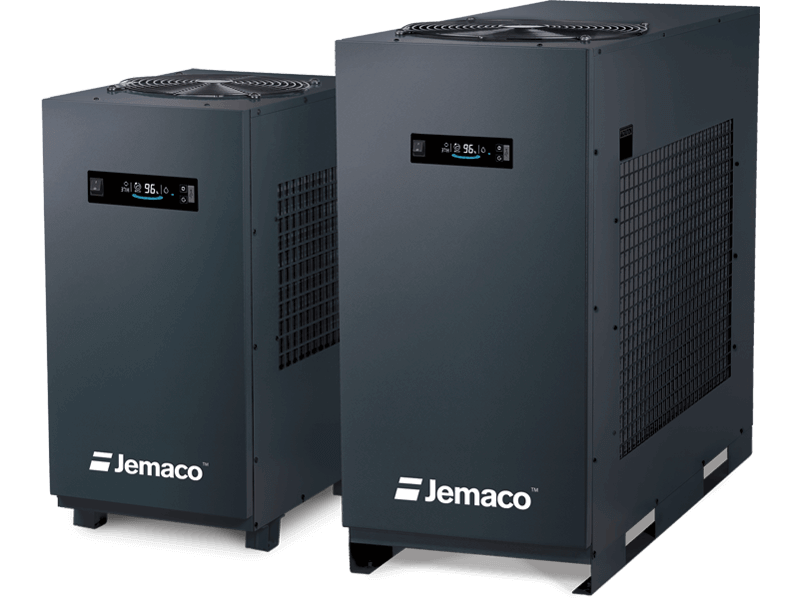
Phase change type air dryer, it only runs when it's needed, so the cost of electricity is 1/10 No more refrigeration dryer that runs all the time! This PCM technology harnesses the latent heat occurs when PCM converts solid to liquid or liquid to solid, which automatically triggers the refrigeration compressor to switch ON of OFF according to varying compressed air heat loads.
What is Cold Running in an Air Compressor?
Cold running refers to the situation where, during during the operation of an air compressor, due to insufficient load or short operating durations, the oil temperature inside the unit does not reach the normal working range (typically 70°C to 90°C). This prevents moisture in the compressed air from fully evaporating or being expelled. When this moisture mixes with the oil, it can lead to the following issue:
1.Emulsification:
When the oil temperature is too low, moisture can easily mix with the lubricating oil, forming an emulsion that reduces lubrication efficiency and accelerates wear on machine components.
2.Accumulation of Condensate:
During the compression process, moisture in the air condenses due to strong cooling effects. Over time, this accumulation may cause pipe corrosion or abnormal system pressure.
3.Reduced Machine Efficiency:
Cold running decreases compression efficiency, increases operating costs, and may even shorten the machine’s lifespan.
Why Does Cold Running Occur?
1.Low Operating Load:
When the air compressor operates at a low load for extended periods, such as running at low pressure or infrequent starts, the oil temperature cannot rise sufficiently.
2.Insufficient Operating Time:
Short operating durations prevent the compressor from reaching thermal equilibrium, leaving moisture inside the system un-evaporated.
3.Low Ambient Temperature:
In cold environments (e.g., during winter), the cooling efficiency is too high, preventing the lubricating oil from warming up.
4.Overly Effective Cooling Systems:
Excessive cooling (e.g., overly efficient air or water cooling systems) continuously lowers the unit’s temperature.
How to Resolve Cold Running Issues
1.Increase Operating Temperature:
- Ensure the lubricating oil temperature remains between 70°C and 90°C during operation.
- Install an oil heating device to preheat the oil before starting the unit, preventing cold starts.
2.Extend Operating Time:
- Adjust the compressor’s operating time to allow sufficient duration for moisture to be expelled.
- If the load demand is low, set up a dummy load operation to maintain system temperature.
3.Inspect the Cooling System:
- Adjust the cooling fan or water-cooling system parameters to avoid overcooling.
- In cold environments, consider installing a cooling water heater or shielding the air intake for the cooling system.
4.Regularly Drain Condensate:
- Ensure condensate in the oil separator and air storage tank is discharged promptly.
- Use an automatic drain valve to improve drainage efficiency.
5.Use Suitable Lubricating Oil:
- Select lubricating oil that maintains good fluidity in low temperatures and offers strong anti-emulsification properties.
Potential Risks of Cold Running
Long-term cold running can lead to:
- Lubricating oil emulsification, reducing lubrication performance.
- Internal system rust or pipeline blockages.
- Reduced air compressor efficiency or damage to machine components.